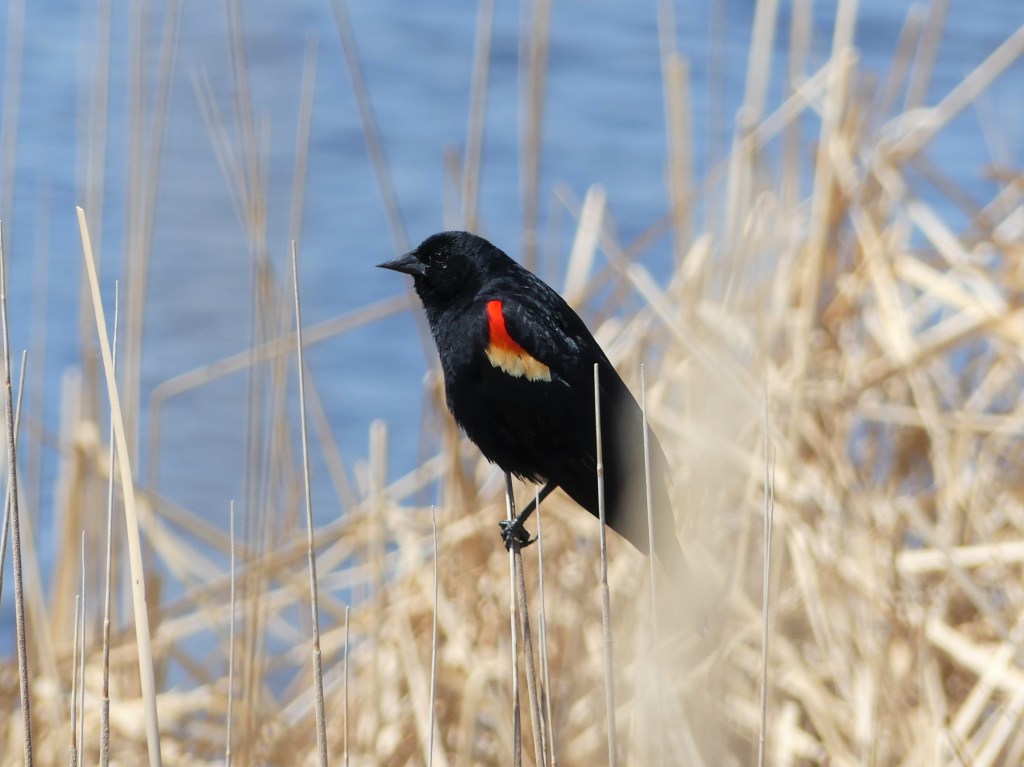
The spring in Winnipeg, Manitoba, is unlike any other spring I have experienced. It’s extraordinary to see the vast contrast from winter weather in such a short amount of time. In March, after a long winter with sub -20C temperatures, the melting snow created little streams of water running down the streets and revealed lawns of brown grass saturated with old dog poops. At the rivers, the snow melt and rain this year caused water levels to rise more than usual, flooding areas in the province. The transition phase wasn’t the prettiest, but what came after is incredible. Hearing the first geese arriving into the city, along with others such as robins, juncos, blackbirds, flickers, ducks, and cranes, brought back so much life into the area that was previously very quiet. Then others like swallows, warblers, sparrows, and pelicans continue to add to the symphony of birds. The grass continues to get greener every day and more migrants are still coming through. The burst of life in the prairies is phenomenal.
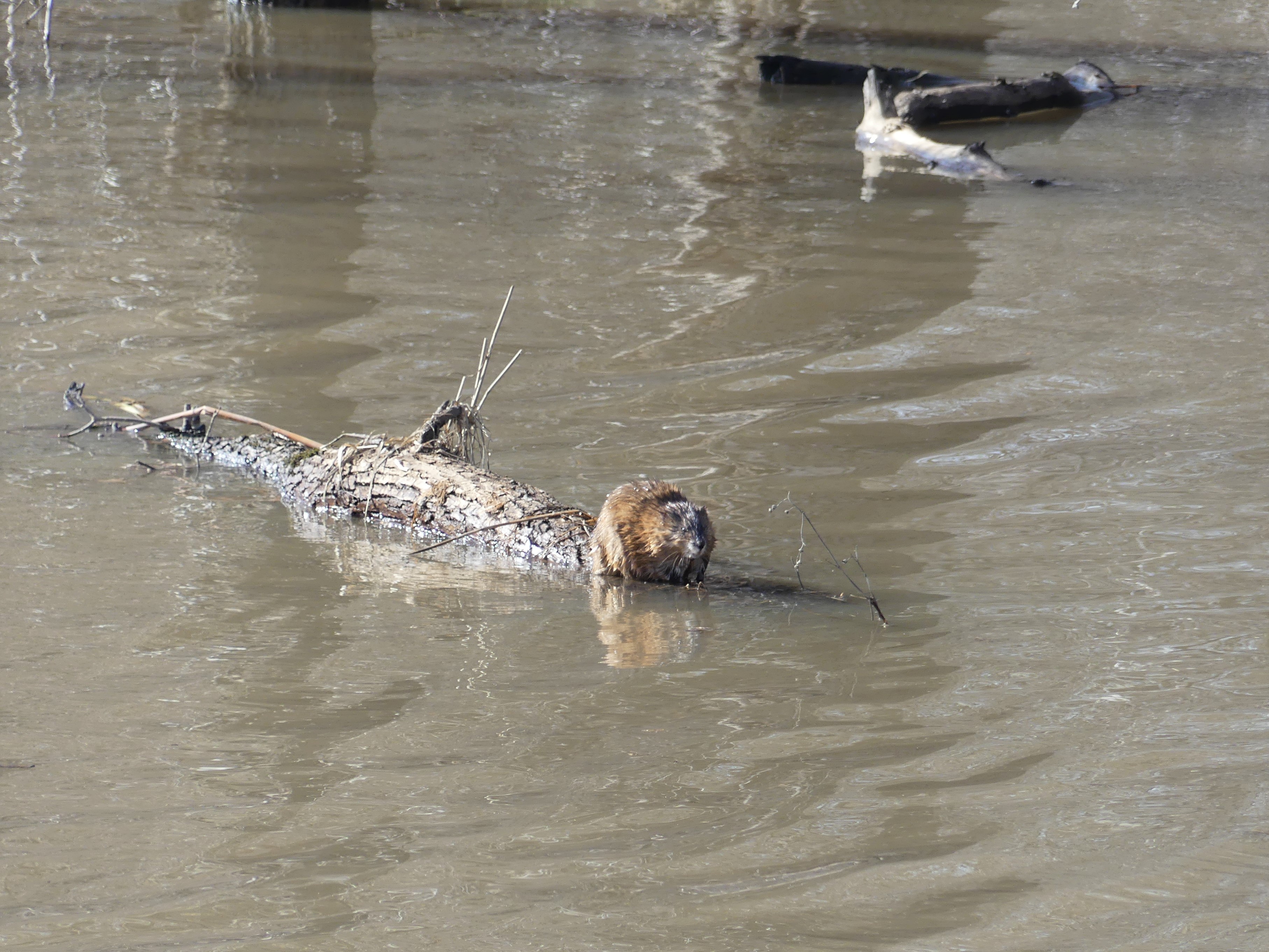
Now that the rivers have fully thawed, it’s nice to see water glistening and more critters moving around in it. A spot where an ice fisherman had propped his tent and where snowmobile riders zoomed by, is now where animals like muskrats and ducks can swim along the surface.
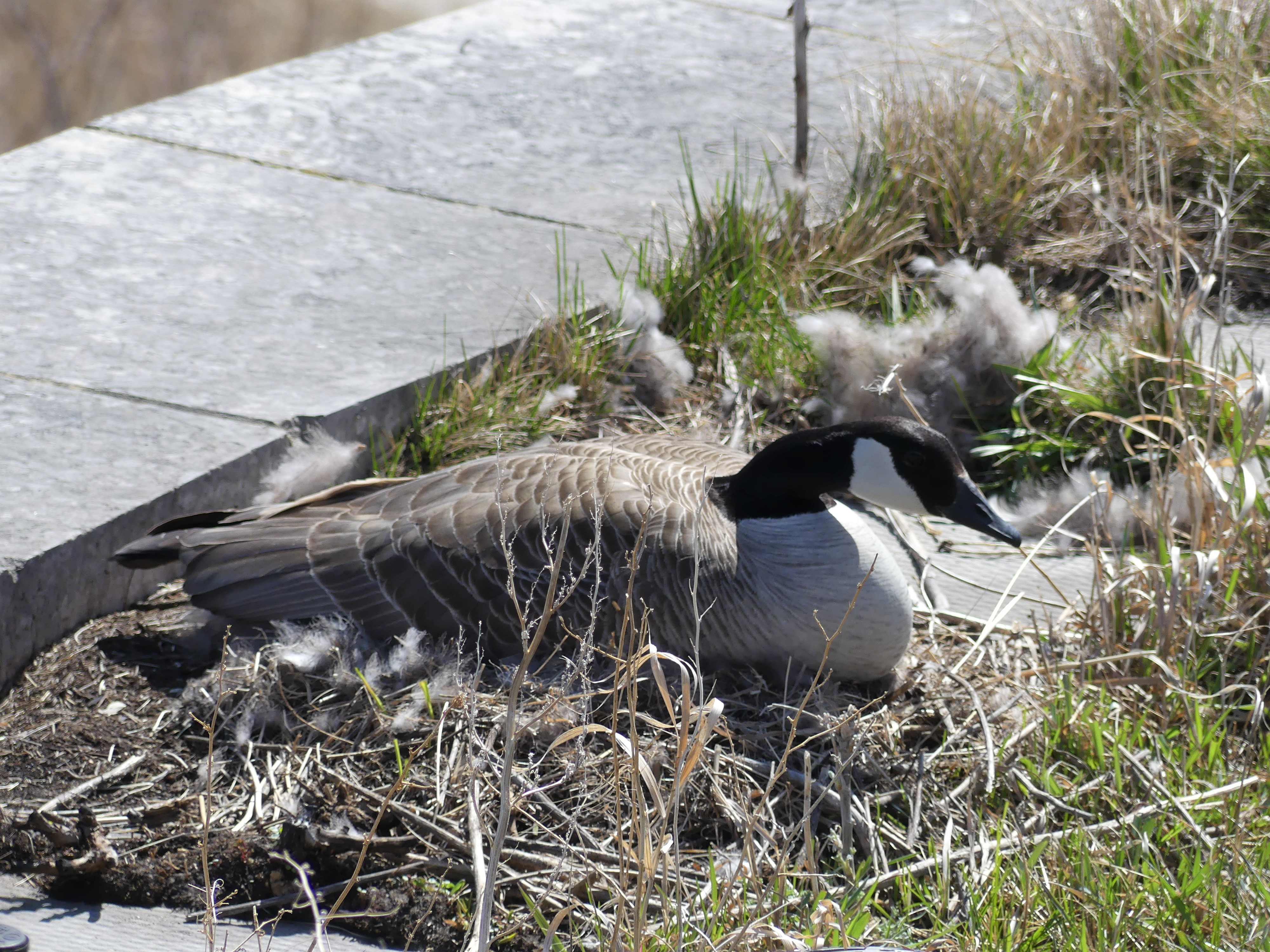
It’s neat to observe different species time their nesting differently. For example, the Canada Geese here started laying eggs in early/mid April, before the first Purple Martins arrived. By the time little goslings start to hatch, which is anytime now, the martins are only starting to build their nests. When examining their respective diets, this makes sense that the geese are able to stock up on food earlier since they’re able to graze on the emerging grass as soon as the snow melts. Martins, on the other hand, are insectivores and rely on the presence of bugs such as dragonflies and moths, which are more active when temperatures are warmer. The birds do their best to time their arrival to match the resources they need for reproduction. The past week has been a bit cooler than normal (even snowed a little a couple times!), which could potentially postpone more songbird nests if finding food is difficult. Hopefully the weather will warm up quick enough so the insectivores can survive.
Out of all the creatures in Manitoba, the Black-capped Chickadees never cease to amaze me. These little songbirds are year-long residents, surviving all four seasons here. In winter they’ll eat seeds, which many people help provide at their backyard feeders, and in the spring and summer the chickadees will switch their diet primarily to insects and spiders. Even with this diet switch, I am still awed at their ability to survive in temperatures as low as -40C. They’re one of the toughest little guys out there!

Happy spring and happy birding!
-Evelien
 eveliendegreef.com
Looking forward to your northern adventure.
LikeLike